Why a Hormuz deal could shift VC bets on defense, energy, and logistics
A potential Iran deal could ease oil flows and open new markets, but risks remain for startups in high-stakes sectors.
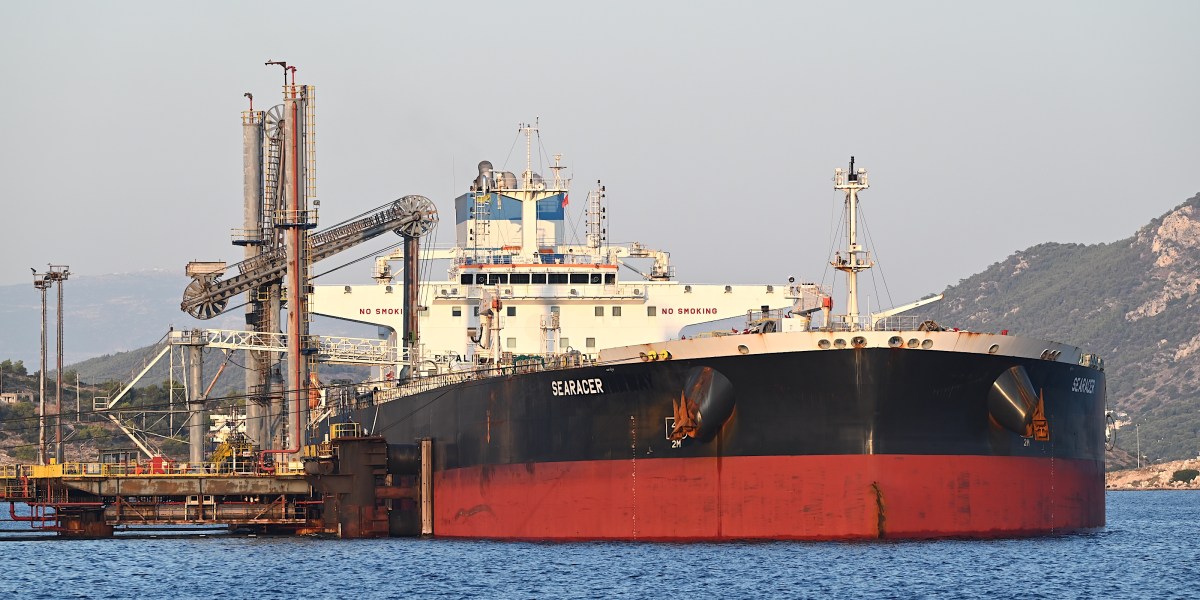
A fragile détente in the Strait of Hormuz
Iran and regional powers may announce a deal today to de-escalate tensions in the Strait of Hormuz, a chokepoint for 20% of global oil supply (Fortune, 2026).
The agreement — if realized — would ease immediate threats to shipping lanes and could stabilize energy prices, but it comes with critical caveats. Sanctions relief is partial, and enforcement remains uncertain. For venture capitalists, founders, and limited partners, the news is less about geopolitics and more about the second-order effects on capital allocation, supply chains, and market timing.
What the deal changes for energy and defense startups
Oil price stability as a tailwind for capital efficiency
If the Strait remains open, Brent crude could drop from $95/bbl to $75–80/bbl, easing pressure on energy-dependent startups (Fortune, 2026).
For founders in renewables and efficiency tech, this means:
- Lower customer acquisition costs in industrial verticals, where energy spend is a primary budget line.
- Faster payback periods for hardware startups selling into oil & gas or utilities.
- Reduced urgency for defensive fundraising rounds tied to energy price volatility.
Defense and logistics startups, however, may see slower growth in demand for maritime security solutions if the threat perception fades.
Defense tech: from crisis mode to strategic pivot
Maritime security startups raised $1.2B in 2025 alone, buoyed by Iran’s drone and missile threats (Fortune, 2026). A deal could redirect capital toward long-term R&D rather than near-term threat mitigation.
Founders should:
- Reassess go-to-market strategies for 2027, shifting from crisis-driven sales to broader defense modernization programs.
- Prioritize contracts with NATO-aligned allies, which may reduce reliance on U.S.-only procurement cycles.
- Expect consolidation in the sector as budgets normalize, creating M&A opportunities for well-capitalized firms.
Logistics and supply chain: the domino effect
The Strait handles 30% of global LNG and 25% of seaborne crude (Fortune, 2026). A sustained opening could:
- Lower shipping costs for startups importing hardware or exporting goods, improving gross margins by 5–10% in some cases.
- Accelerate expansion into Middle Eastern markets, where demand for fintech, agritech, and SaaS tools remains underserved.
- Reduce the need for alternative routes (e.g., via the Cape of Good Hope), which add 10–14 days to transit times and increase working capital requirements.
Startups in freight, trade finance, and last-mile delivery should model scenarios with both $75/bbl and $90/bbl oil to stress-test unit economics.
Where the risks outweigh the rewards
Sanctions and enforcement gaps
The deal’s partial nature means sanctions on Iran’s oil exports remain in place, with waivers tied to compliance milestones (Fortune, 2026). This creates a two-tier market:
- Primary compliance risk: Startups exporting dual-use tech (e.g., AI, drones, or advanced materials) to the region must navigate OFAC rules.
- Secondary market volatility: Even a temporary easing of tensions could trigger speculative spikes in energy prices, disrupting supply chain planning.
Founders should:
- Audit vendor and customer lists against OFAC’s SDN (Specially Designated Nationals) list.
- Build contingency plans for sudden price shocks, including hedging strategies or alternative suppliers.
- Avoid over-indexing on Middle East expansion until enforcement clarity emerges.
Geopolitical fragility and capital flight
A deal today does not guarantee stability. Regional proxies (e.g., Houthis in Yemen, militias in Iraq) could disrupt shipping independently of Iran’s actions (Fortune, 2026).
For LPs evaluating funds:
- Defense and energy VCs: Demand scenario analyses showing runway under both $75/bbl and $100/bbl oil.
- Logistics and trade startups: Require proof of diversified supply chains, not just reliance on Hormuz routes.
- Cross-border funds: Assess exposure to Middle Eastern LPs, which may become more selective in deploying capital amid uncertainty.
How to position your fund for the next 12 months
For GPs: rebalance the thesis
- Defense and maritime security: Shift from reactive to proactive investing. Target startups with NATO or Five Eyes contracts, or those selling into commercial shipping (e.g., AI-driven route optimization).
- Energy transition: Use lower oil prices as a catalyst to invest in electrification, grid resilience, and industrial efficiency. Look for startups with customer contracts tied to energy-as-a-service models.
- Trade and logistics: Double down on fintech and SaaS tools that reduce friction in cross-border transactions. Prioritize startups with modular compliance stacks for sanctions screening.
For founders: time your raise and pivot
- Raise now if: You’re in renewables, efficiency tech, or trade infrastructure. Lower energy prices improve unit economics and investor appetite.
- Delay if: You’re in maritime security or defense hardware. Wait for clearer budget signals from NATO and Gulf states.
- Pivot if: Your startup relies on Hormuz-dependent supply chains. Explore nearshoring or alternative routes (e.g., UAE or Oman) to de-risk operations.
For LPs: stress-test your exposure
Ask your GPs:
- What is the fund’s exposure to energy price volatility?
- How are portfolio companies adapting to potential sanctions changes?
- What is the downside scenario for a deal collapse in Q1 2027?
Funds with concentrated bets on defense or energy should prepare for markdowns or bridge rounds if the deal unravels.
The bottom line
A Hormuz deal would be a net positive for most venture-backed sectors, but the caveats are material. Capital efficiency improves for energy-adjacent startups, while defense and logistics firms face a more complex landscape.
For now, the deal is a signal — not a guarantee. Founders and LPs should treat it as a data point, not a mandate, and plan accordingly.
What to do next: Reassess your portfolio’s exposure to energy prices, sanctions risk, and Middle East supply chains within the next 30 days.
Sources & references
Read the source PDF (opens in a new tab)
- Fortune · 2026
Part of Anker Intelligence — perspectives on private capital, frontier markets, and venture flows. Sources and figures reflect the information available at publication. This article is not investment advice.